

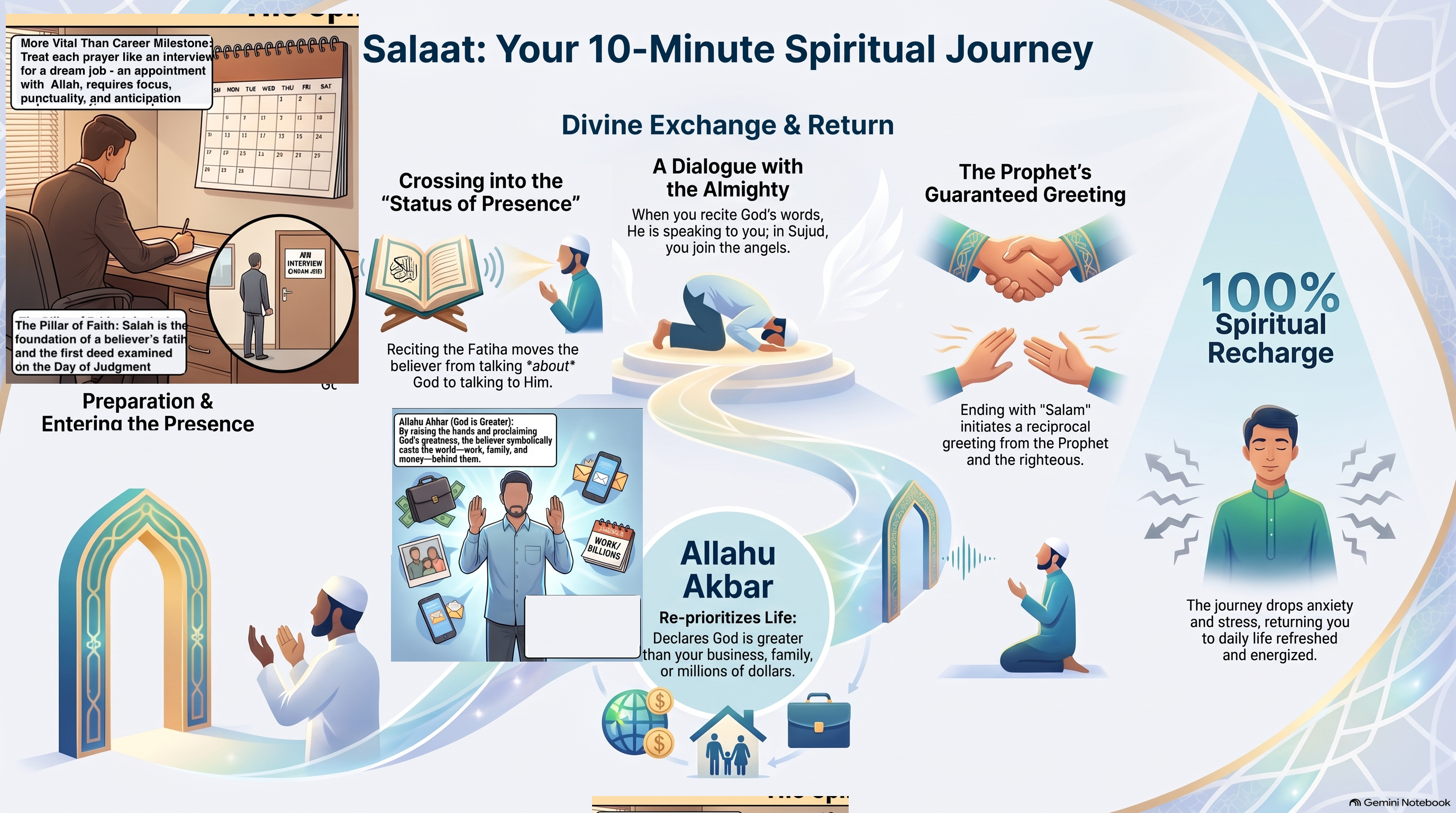
Just as Ibrahim realized (last week's lesson) that breaking through internal barriers is required to unreveal his purpose of life, now will discuss daily prayer (Salat) acts as the primary vehicle to attain that ultimate closeness . While the previous lesson focused on recognizing our purpose, this lesson moves us into action—exploring how taking a pause for Salat serves as a personal appointment with God , stepping away from daily distractions to cleanse the soul, relieve stress, and elevate the believer into the Divine presence
Browse All Lessons
Select a term, then choose a week to view its lesson resources.
Term 3 – 2026
Term 3 - Week 1 · 25th July [10th Safar 1448] · The Tragedy of Ashura and Its Aftermath: From Sacrifice to Captivity
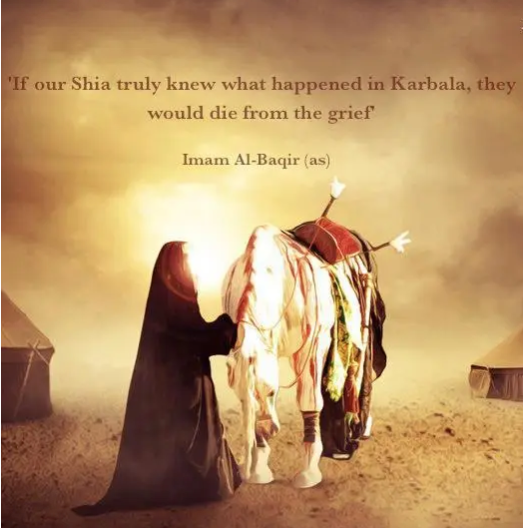
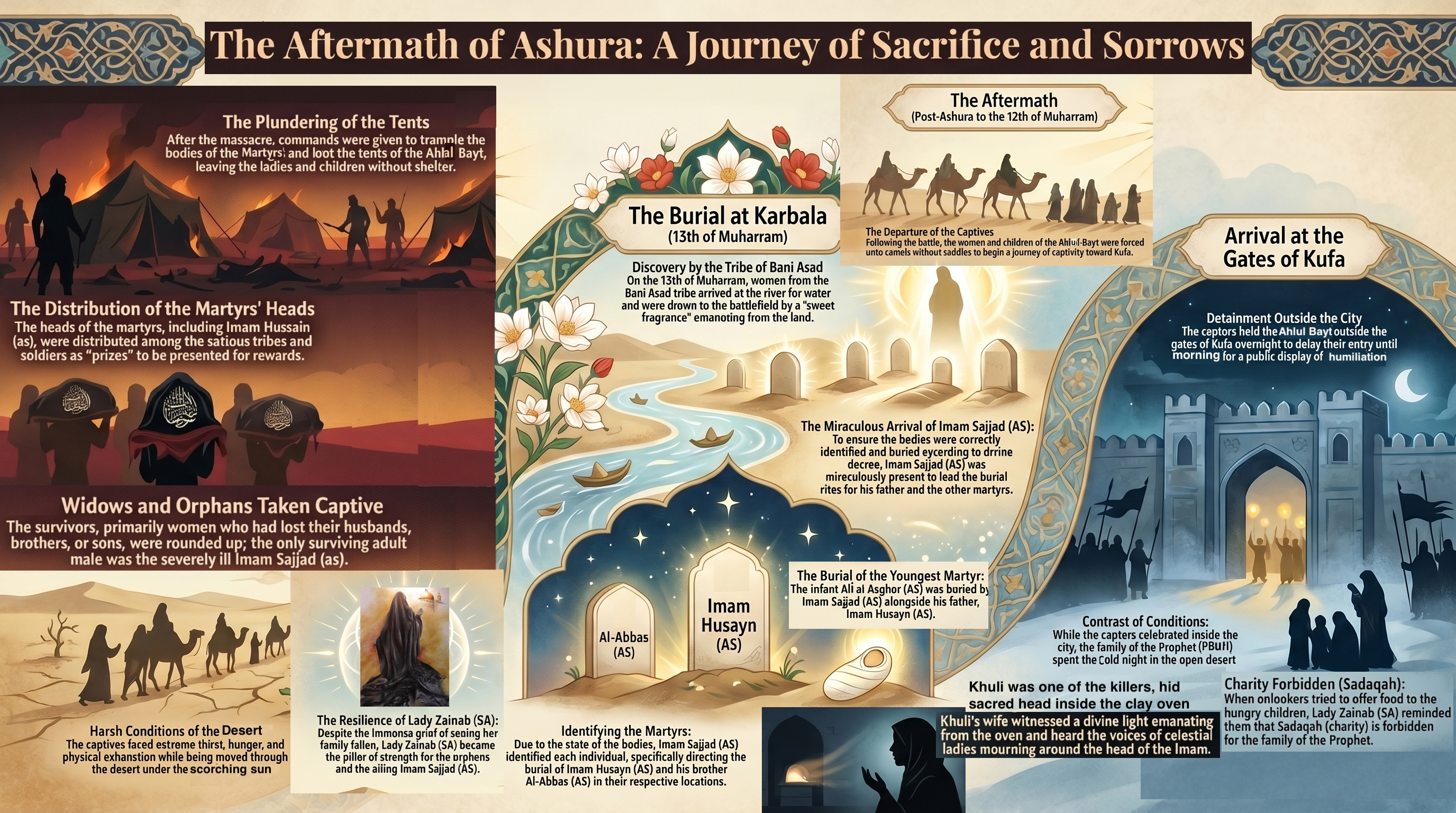
In this lesson will be discuss and pass condolences to Ahlul Bayt following the tragedy of Karbala. The family of the Prophet was forced into captivity on camels without saddles, enduring extreme hunger, thirst, and freezing desert nights while being held outside the city of Kufa . On the 13th of Muharram, the tribe of Bani Asad buried the martyrs after Imam Sajjad miraculously appeared to help them identify and gather the remains of the fallen
Term 3 - Week 2 · 1st August [17th Safar 1448] · Jaber Visits on the 40th
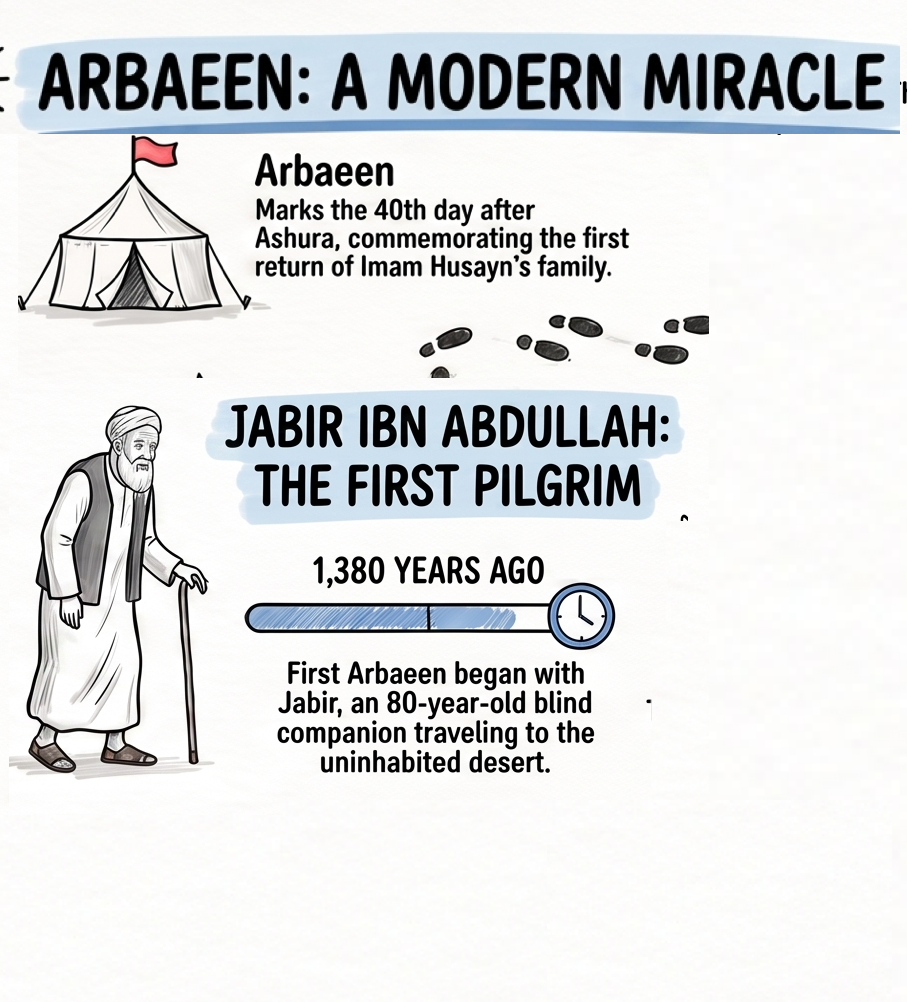
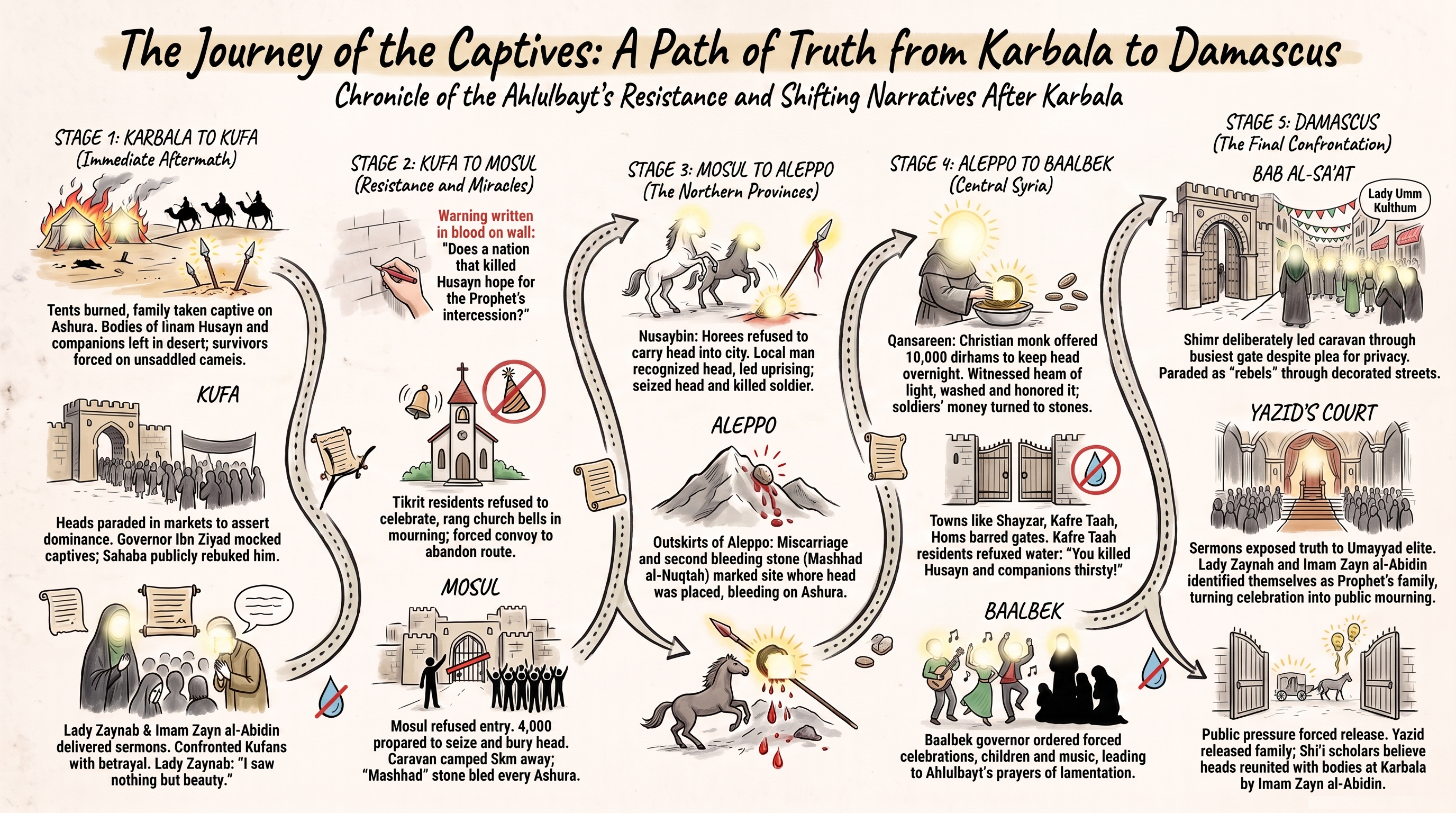
The lesson chronicles the Ahlulbayt's arduous journey as captives from Karbala to Damascus, highlighting how their defiant sermons and the resistance they faced in various towns turned an intended Umayyad victory parade into a permanent moral defeat for the regime . It also examines the significance of Jabir ibn Abdullah al-Ansari, the first pilgrim to initiate the Ziyarat of Arba'een, and his historic meeting with the returning survivors at the grave of Imam Husayn
Term 3 - Week 3 · 8th August [24th Safar 1448] · Lecture1: The Miracles of Prophet (S). Lecture 2: Imam Sajjad Sermon in the Palace of Yazid
_Imam_Hassan.png)
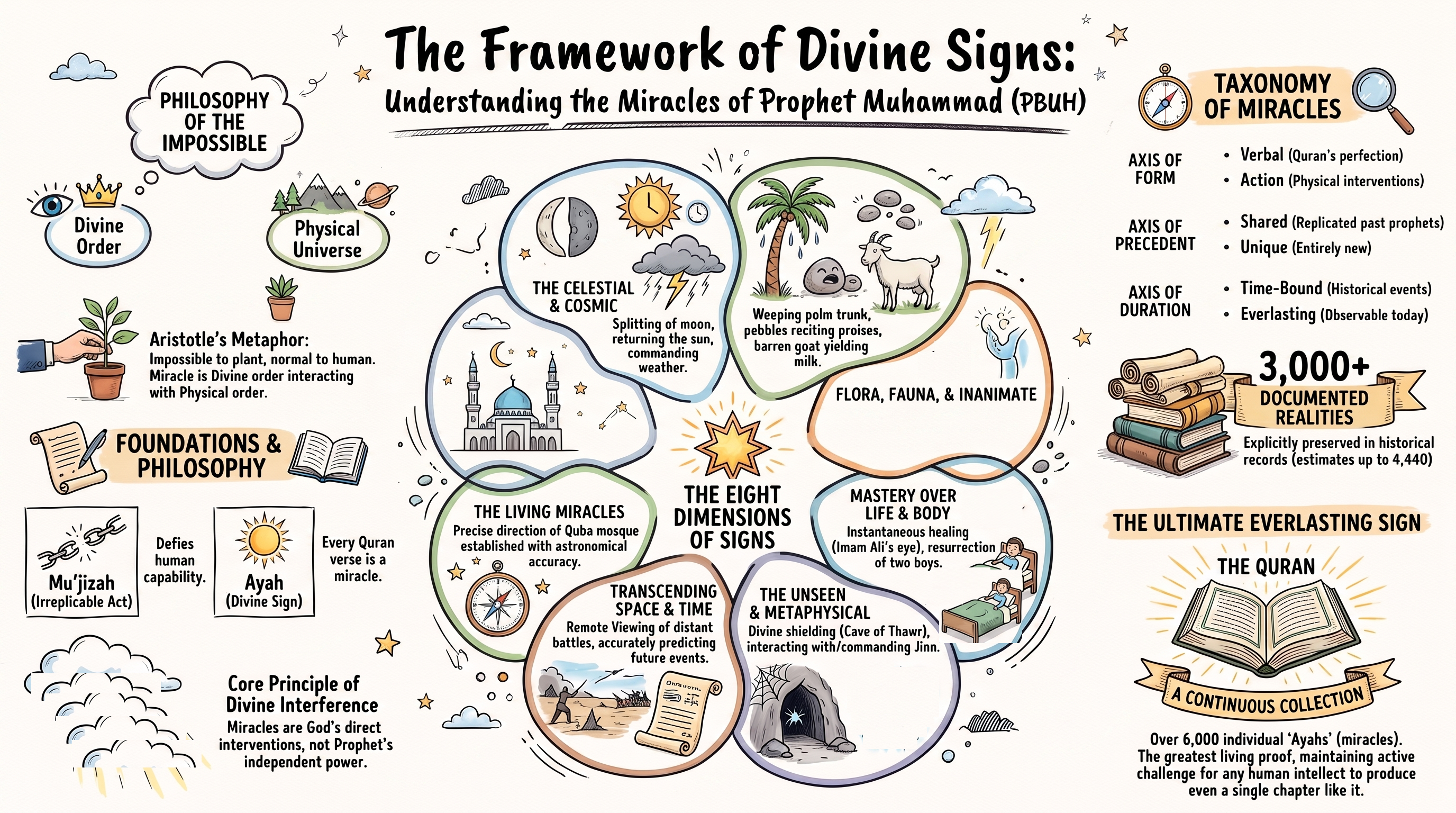
In this lesson on the occassion of Shahadat of Prophet Muhmmad (S) and Imam Hassan(AS), we will discuss the numerous miracles of Prophet Muhammad beyond the Holy Quran, addressing the misconception that he was not granted any other divine signs. The second half of the lesson will be related to the serom of Imam Sajjad in yazid Palace".
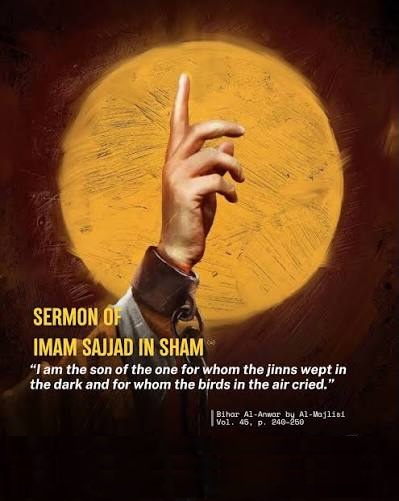
Term 3 - Week 4 · 15th August [1st Rabi'Awal 1448] · Imam Sajjad (AS) in Shaam
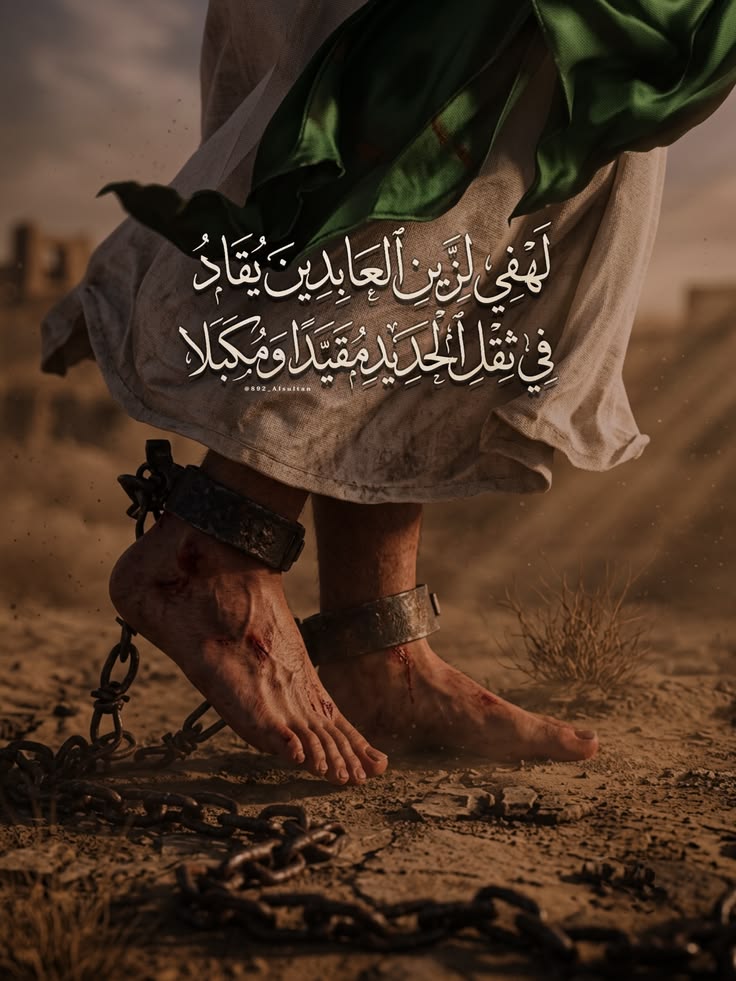
In this lesson, we will discuss how Imam Sajjad used couregeous strategies to spread the true relegion of Islam in Shaam.
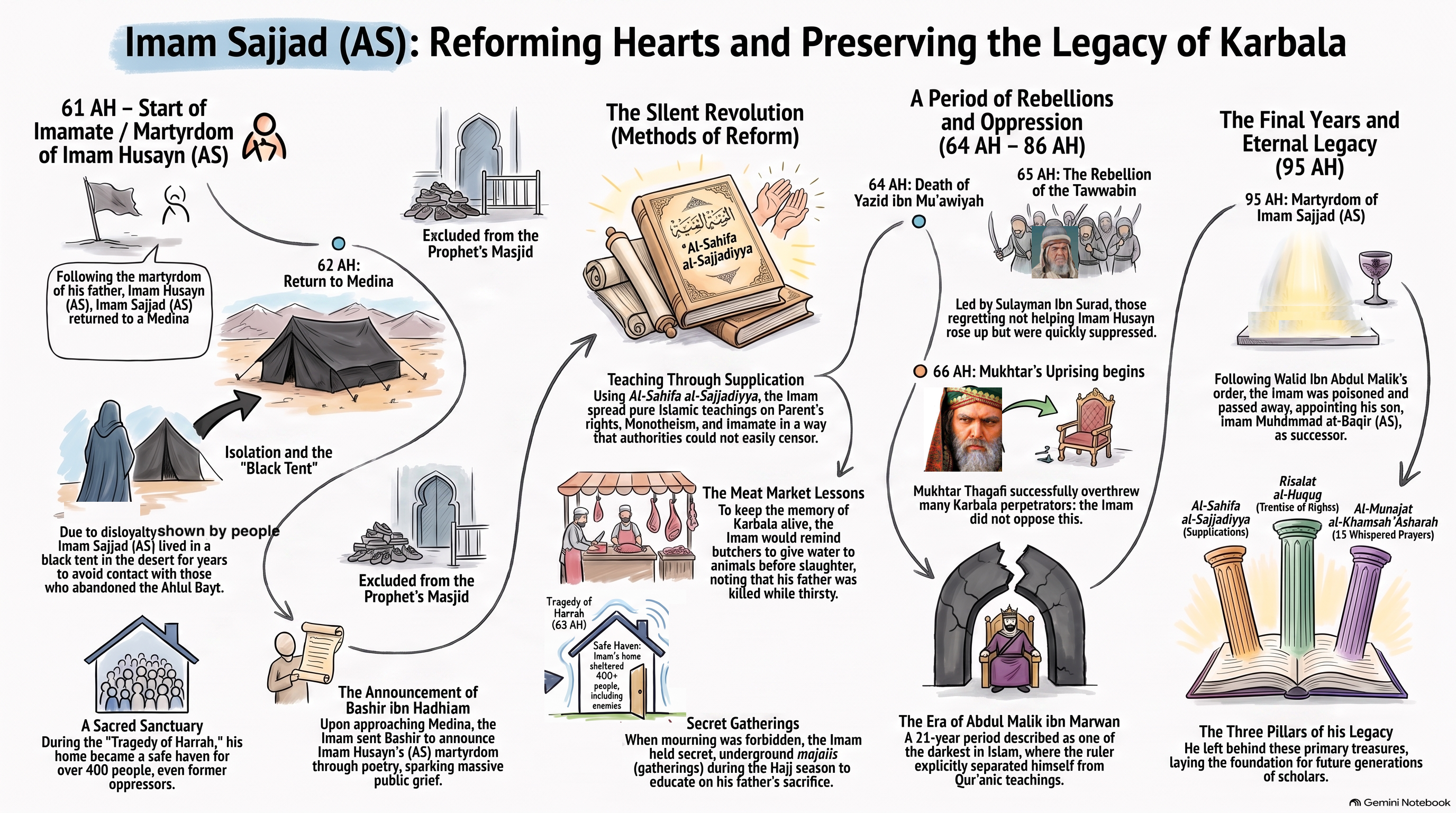
Term 3 - Week 5 · 22nd August [8th Rabiʿ al-Awwal 1448] ·Imām ʿAlī as-Sajjād (a.s.): Reforming Hearts
In this lesson, we will explore the life and legacy of Imām ʿAlī as-Sajjād (a.s.) following the tragedy of Karbalāʾ. We will examine the difficult circumstances faced by the Imām after returning to Medina and learn how he remained patient and steadfast under oppressive rulers. We will also discover how Imām as-Sajjād (a.s.) used duʿāʾ, knowledge, good character, forgiveness, and service to others to guide the Muslim community and reform people's hearts. Students will also learn about the importance of Aṣ-Ṣaḥīfah as-Sajjādiyyah and Risālat al-Ḥuqūq.
Term 3 - Week 6 · 29th August [15th Rabi-Awal 1448] · Mawlid Nabi Program at ISCQ
....
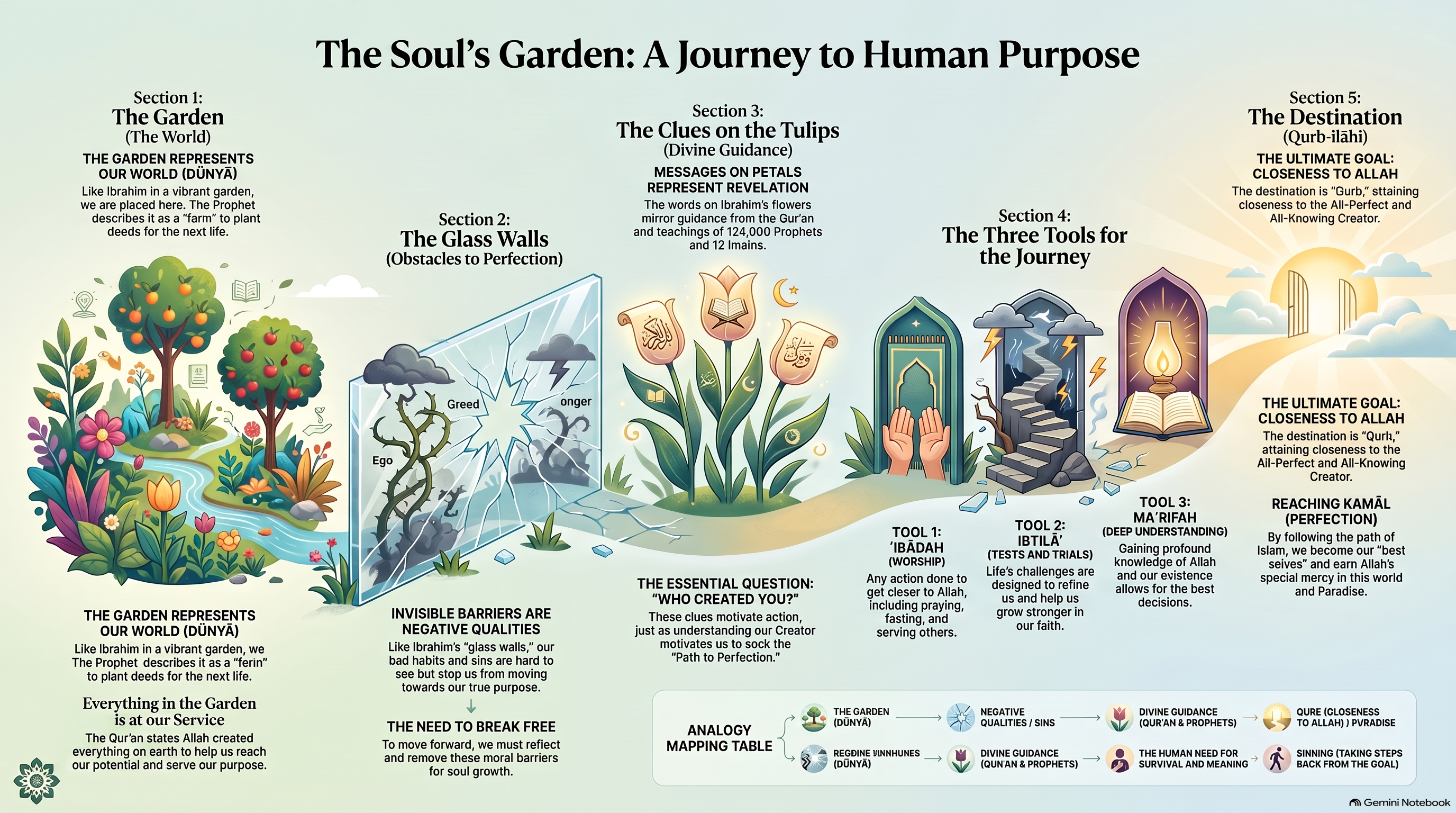
Term 3 - Week 7 · 5th September [22nd Rabi-Awal 1448] · Beyond the Glass Walls: Ibrahim’s Dream and the Search for True Purpose
Exhausted from soccer practice, Ibrahim falls asleep and wakes up trapped in a vibrant, strange garden surrounded by invisible glass walls. He soon discovers a message written on a tulip's petals: “Who created you? What purpose were you made for?” When a deep thirst drives him toward a nearby stream, he hits another invisible barrier, realizing he must answer these questions to escape and survive This dream is a powerful spiritual analogy: the glass walls represent our hidden negative traits that block our progress, and escaping represents overcoming these obstacles to fulfill our true purpose of reaching qurb-ilāhi (closeness to Allah)
Term 3 - Week 8 · 12th September [29th Rabiʿ al-Awwal 1448] · Salat: The Spiritual Journey of the Believer
Just as Ibrahim realized (last week's lesson) that breaking through internal barriers is required to unreveal his purpose of life, now will discuss daily prayer (Salat) acts as the primary vehicle to attain that ultimate closeness . While the previous lesson focused on recognizing our purpose, this lesson moves us into action—exploring how taking a pause for Salat serves as a personal appointment with God , stepping away from daily distractions to cleanse the soul, relieve stress, and elevate the believer into the Divine presence
....
Term 3 - Week 9 · 19th September [7th Rabi-Thani 1448] · Coming soon
....
Term 3 - Week 10 · 26th September [14th Rabi-Thani 1448] · Coming soon
....
Term 2 – 2026
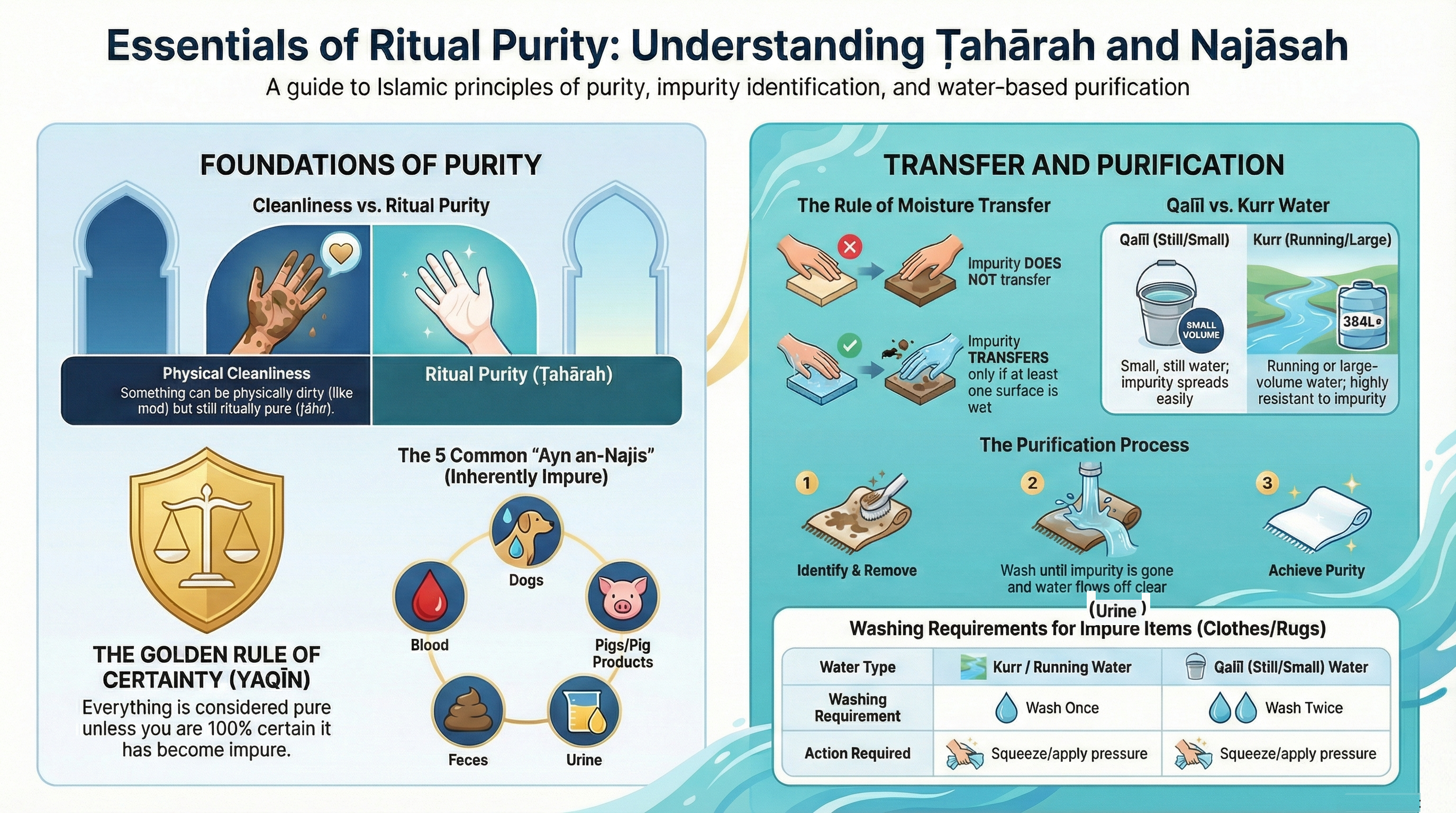
Term 2 - Week 1 · 2nd May [14 Dhu al-Qi'dah 1447] · Understanding Taharah and Najasah (Part II)

We will continue to explore the essential principles of ritual purity (ṭahārah) and ritual impurity (najāsah) in Islam.
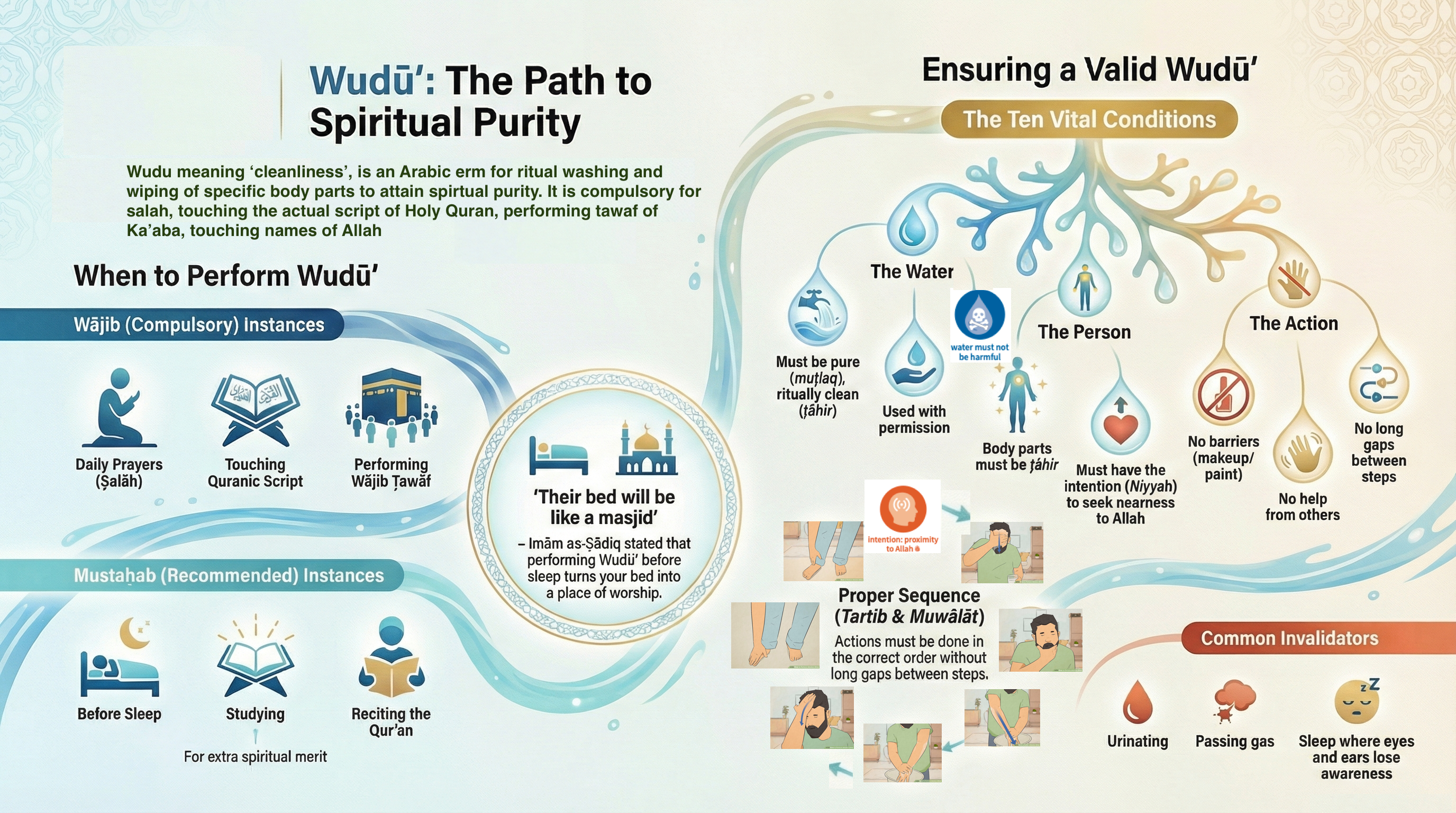
Term 2 - Week 2 · 9th May [21st Dhu al-Qi'dah 1447] · Rules of Wudu

In this lesson, we learn wuḍūʾ means cleanliness and brings spiritual purity. We identify when it is wājib (e.g., ṣalāh) or mustaḥab (e.g., before sleep). We also cover the ten conditions for valid wuḍūʾ and actions that invalidate it, such as passing gas or sleeping
Term 2 - Week 3 · 16th May [28th Dhu al-Qi'dah 1447] · Rules of Ghusl
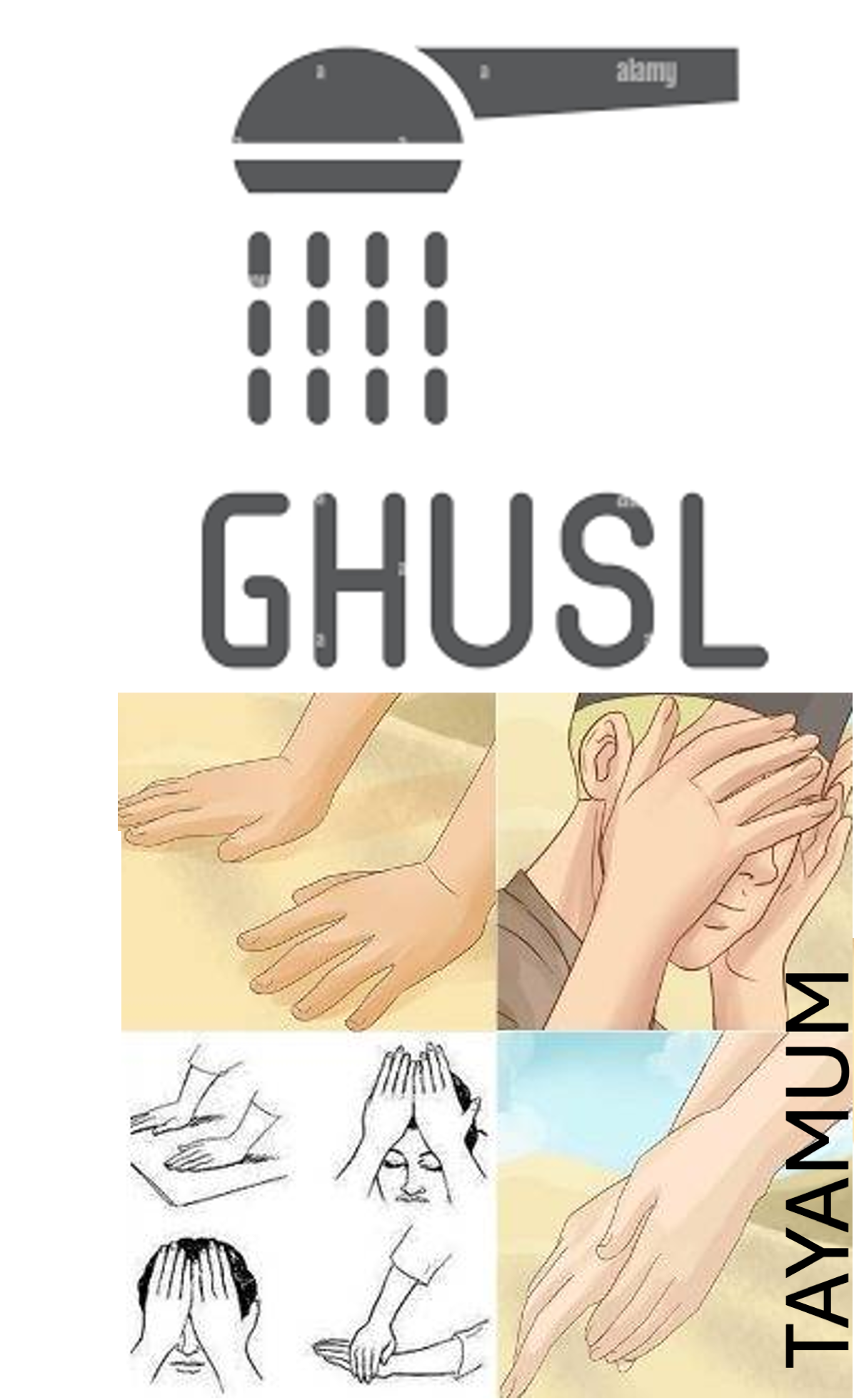
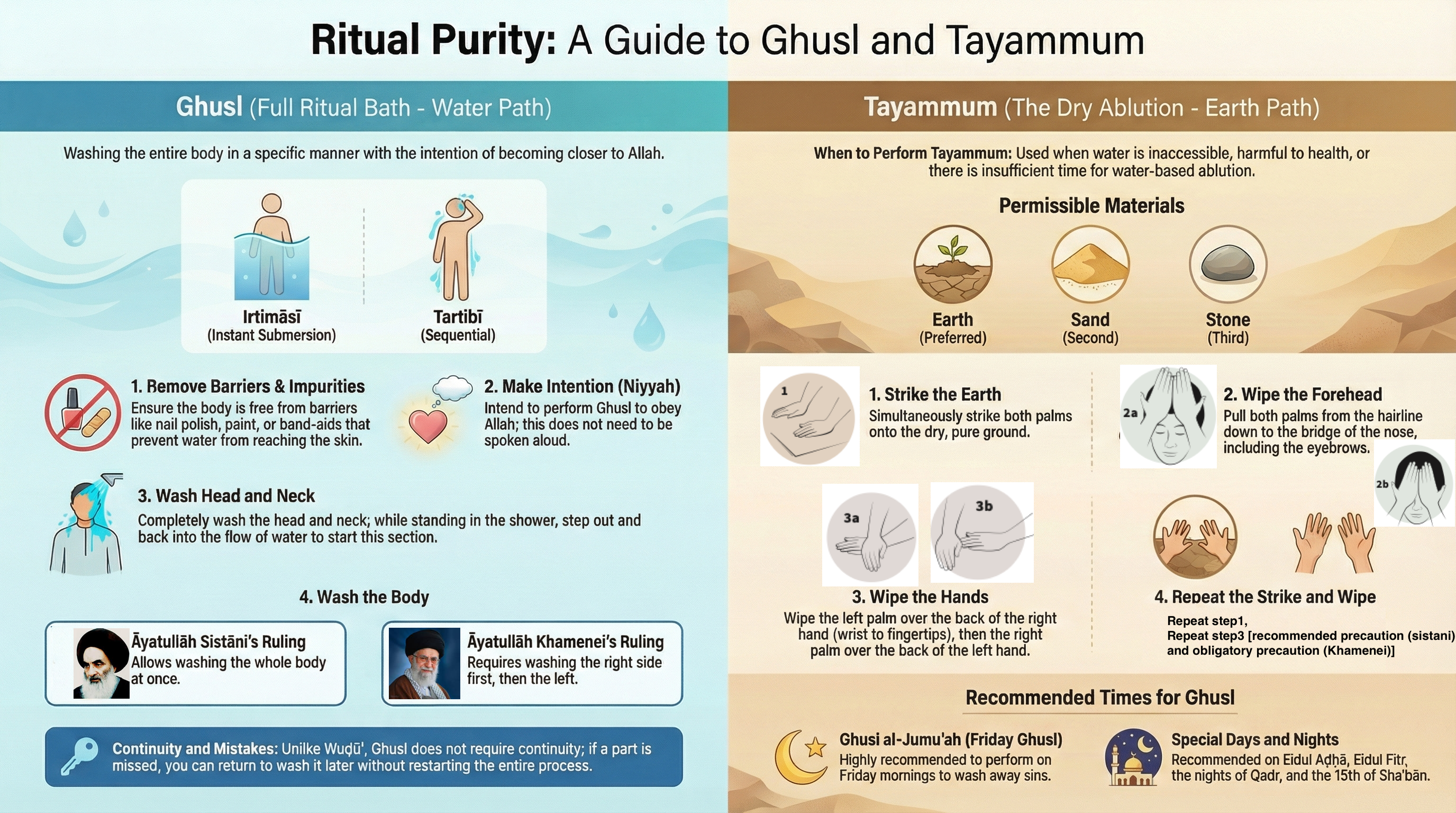
In this lesson, we study Ghusl (ritual full-body wash) and Tayammum (earth-based purification). Ghusl involves washing the head and neck first, then the body. Tayammum replaces it when water is unavailable or harmful, using soil or dry earth. Both rituals require a sincere intention and the removal of all barriers
Term 2 - Week 4 · 23rd May [7th Dhual Hajj 1447] · Revision and Assessment

This week, we will conduct assessments on all lessons covered so far.
Term 2 - Week 5 · 30th May [12th Dhual Hajj 1447] · Eid Al-Ghadeer

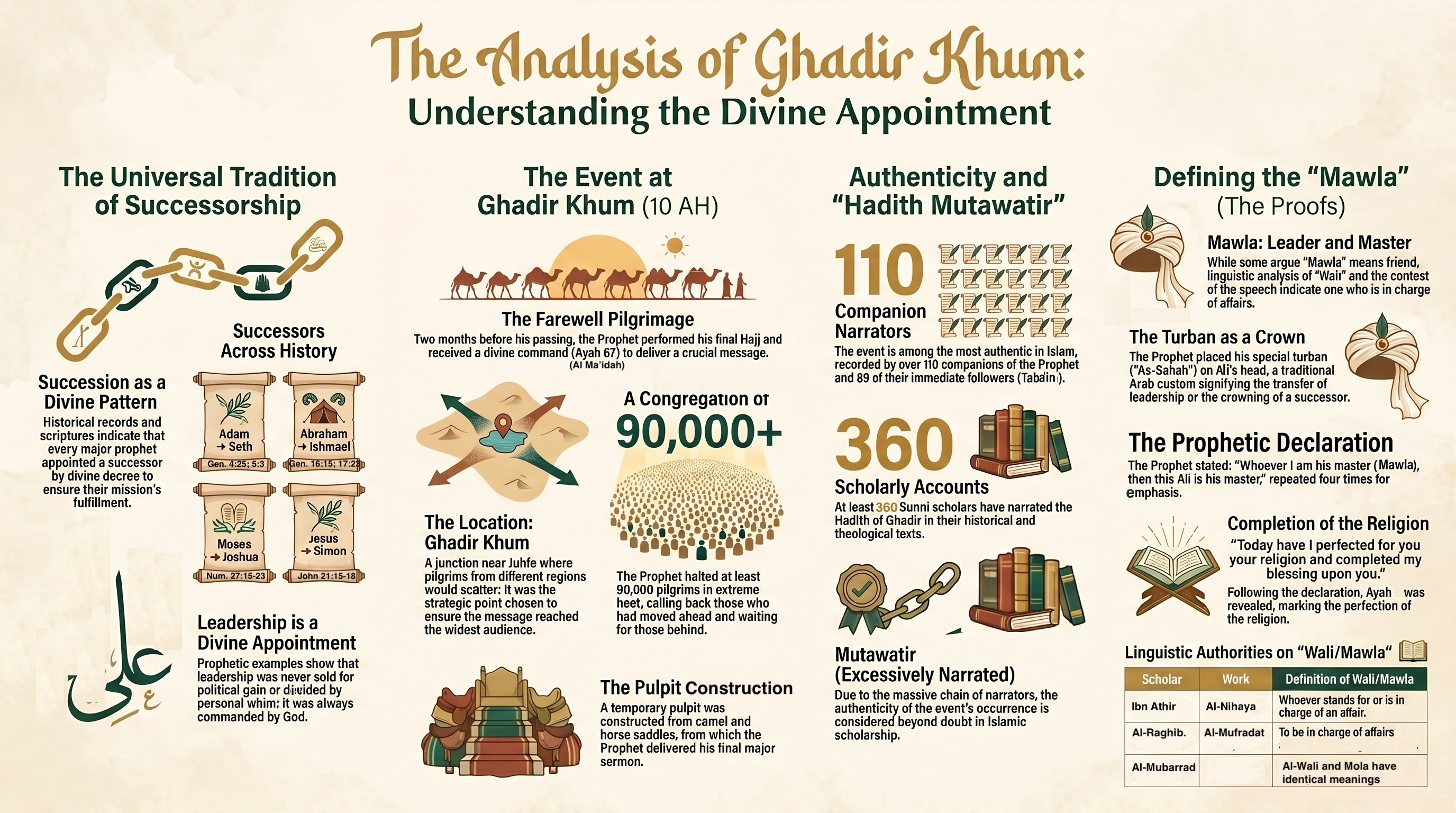
In this lesson, we will explore the theological and historical significance of Hadith al-Ghadir. We will examine how the appointment of Imam Ali follows the precedent of earlier prophets, study the events at Ghadir Khumm and the revelation of Ayah 67, and analyze how the term “Mawla” indicates leadership. Finally, we will review key evidences of succession, including symbolic actions and historical accounts.
Term 2 - Week 6 · 6th June [19th Dhual Hajj 1447] · Celebration of Eid-e-Ghadeer
This week, we will be celebrating Eid-e-Ghadeer at school. As part of the celebrations, no formal Diniyat class will be held. Students will instead participate in activities and programs related to this blessed occasion.
Term 2 - Week 7 · 13th June [26th Dhual Hajj 1447] · Preliminaries to Prayer

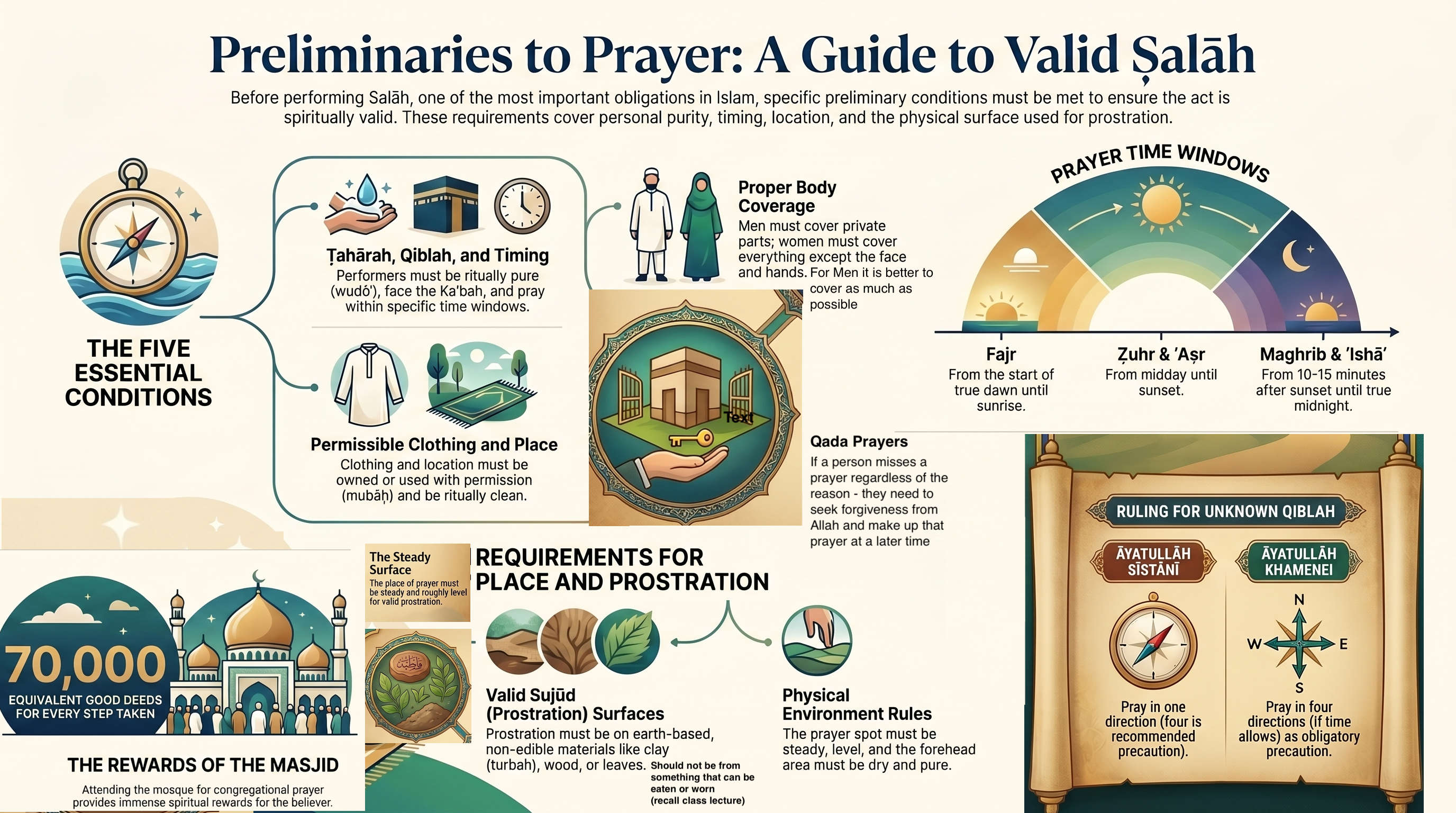
In this lesson we will learn the five preliminary conditions for ṣalāh: purity (ṭahārah), direction (qiblah), timing, place, and clothing. We will also cover how to find the qiblah, use prayer calendars, and identify permissible surfaces for prostration and clothing requirements
Term 2 - Week 8 · 20th June [4th Muharram 1448] · Imām Ḥusayn’s Resistance against Oppression
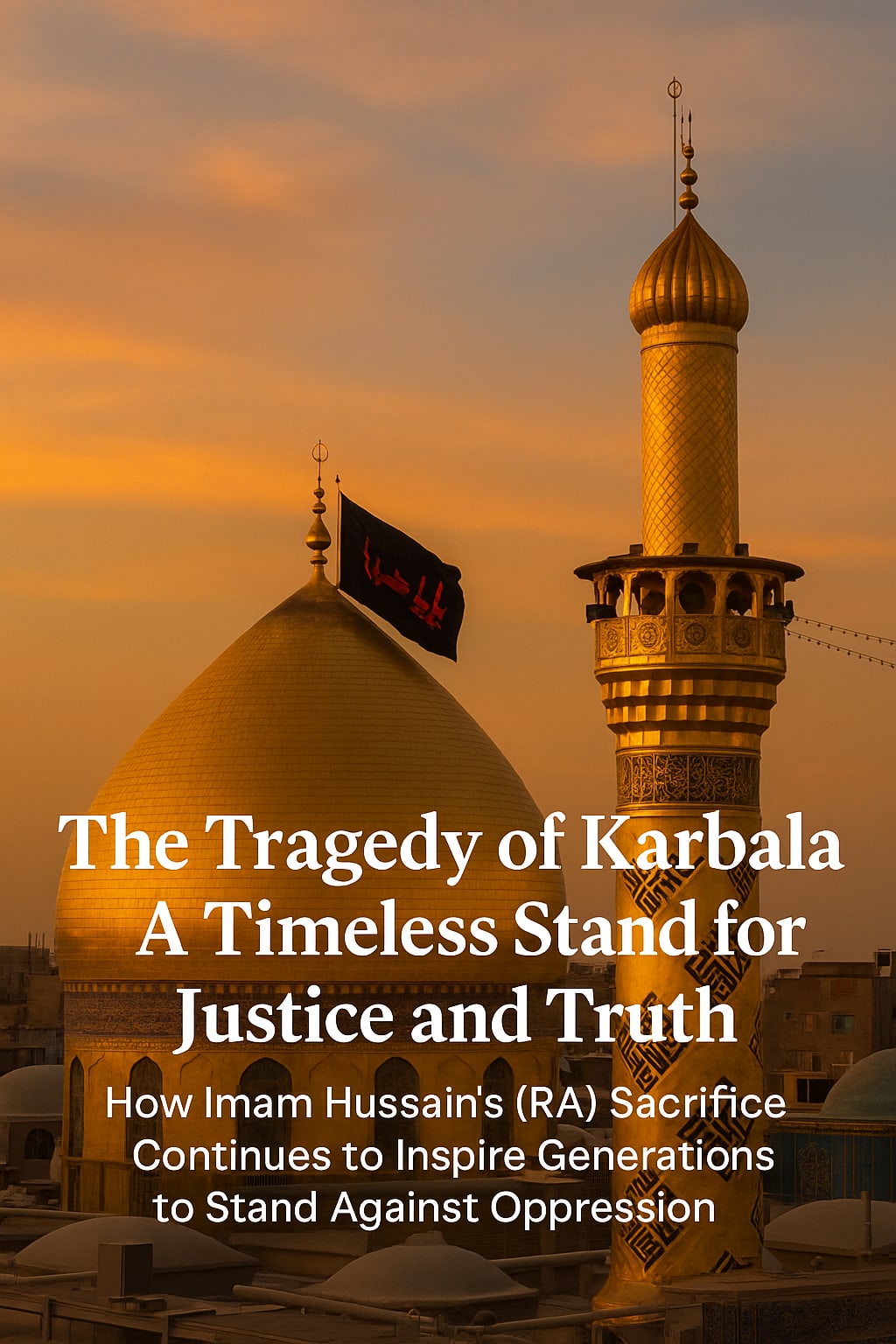
In this lesson, we will learn about Imām Ḥusayn’s life, starting with his birth and the Prophet’s immense love for him. We will explore his support for Imām Ḥasan’s leadership and his lifelong resistance to oppression. Finally, we will analyze his stance against Yazīd for the sake of reformation and the spiritual importance of his visitation (ziyārah).
![[Infographics] Imam Hussain Resistance](ImamHussainResistance_infographics.png)
![[Infographics] Beyond the Numbers: Nafeh’s Speech and the Power of Conviction](The_Encounter_at_Dhu_Husam.png )
![[Infographics]Importance of Nafeh's Speech](Nafeh_bin_Hilal_Speech_Infographic.png )
Term 1 – 2026
Term 1 - Week 1 · 7 Feb 2026 [18th Sha'ban 1447] · Imam al-Mahdi (AS)
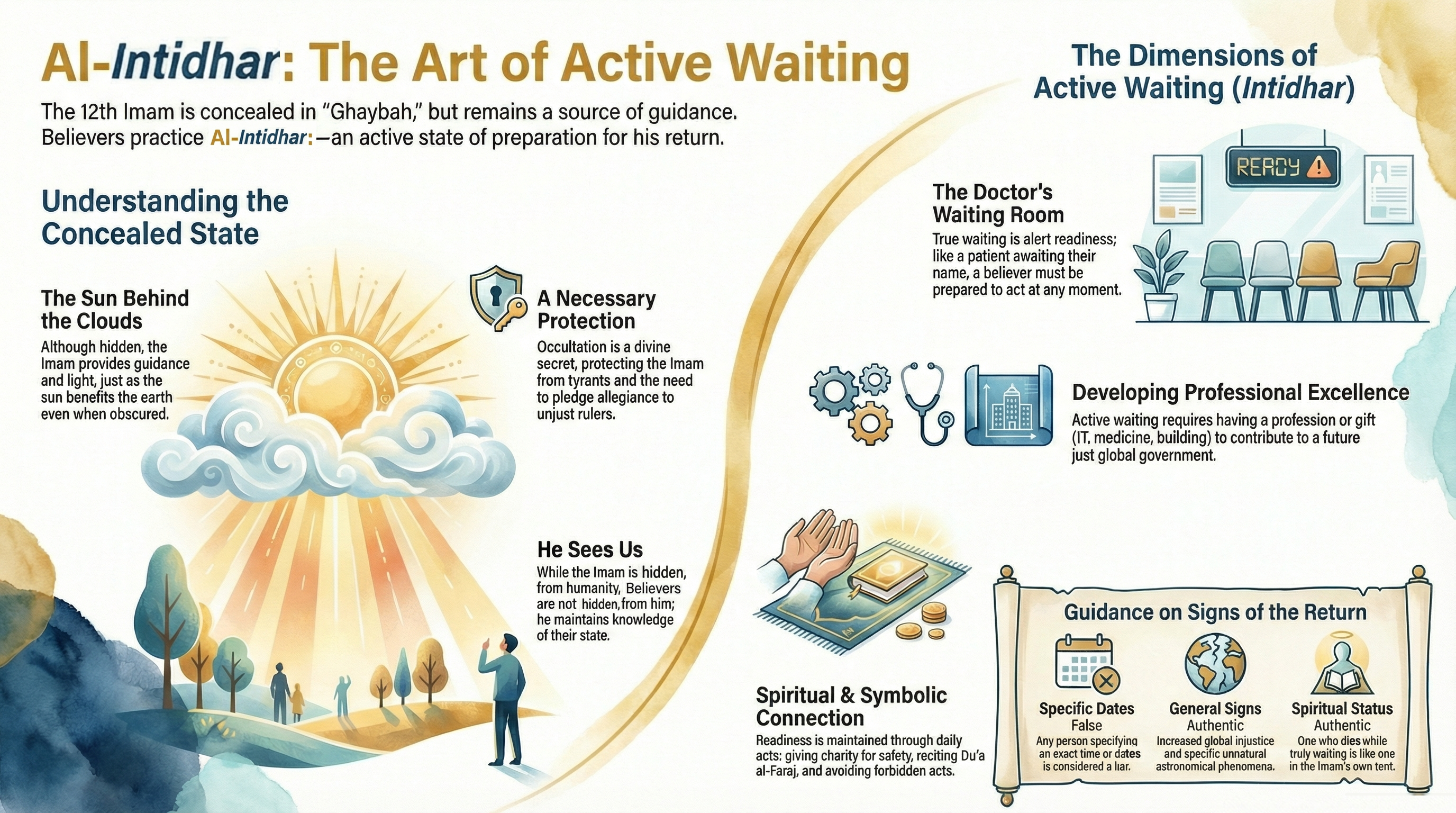
Learn about Al-Intidhar, the role of a true Muntadhir, and how to prepare for Imam al-Mahdi (AS). Homework: Do not forget to complete pages 378, 382, and 383 from Book 7.
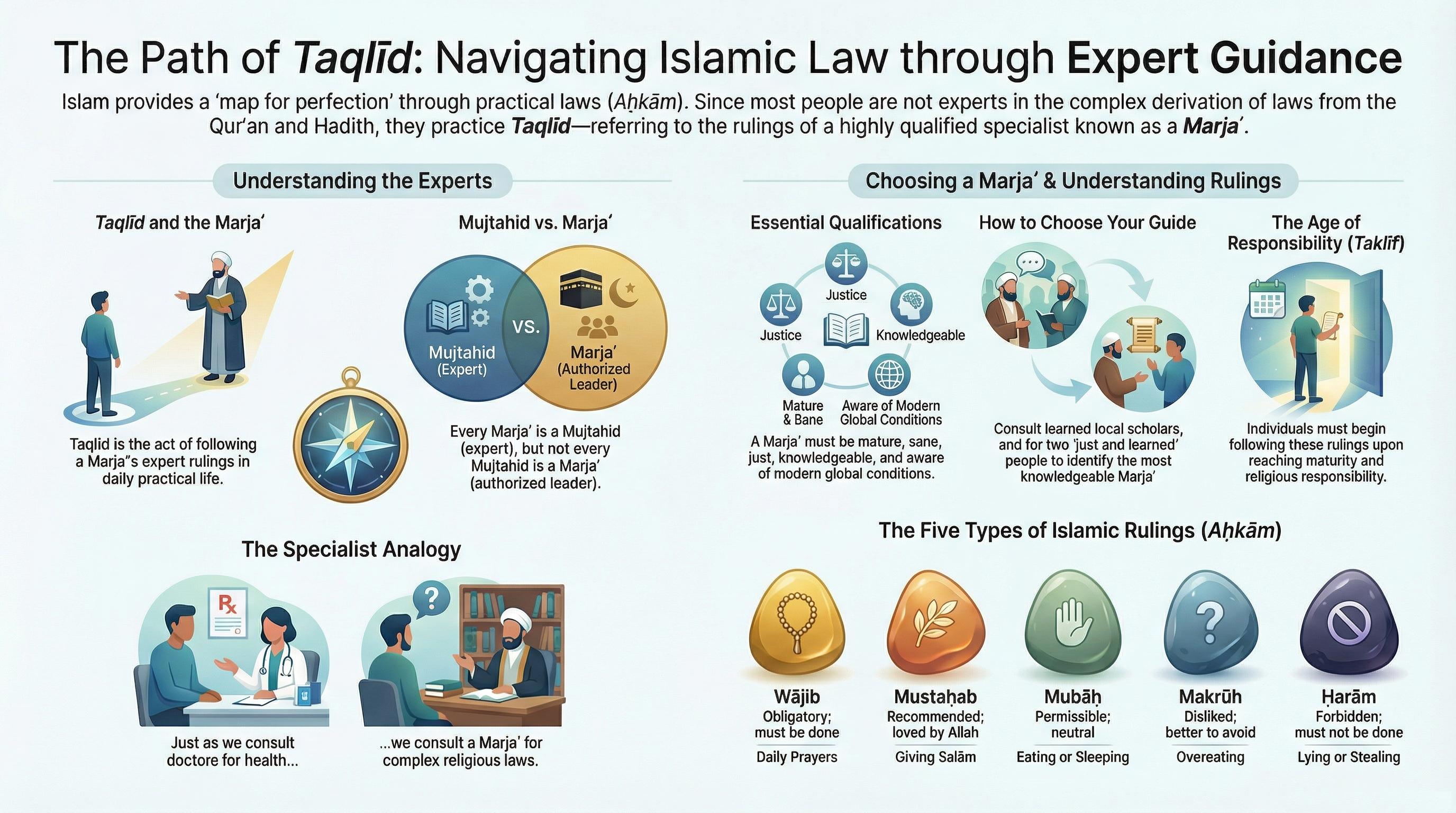
Term 1 - Week 2 · 14 Feb 2026 [25th Sha'ban 1447] · Taqlīd & Taklīf

Learn about Taqlīd and Taklīf and how to prepare spiritually for Ramadhan. Homework: Do not forget to complete pages 177, 182, and 183 from Book 7. If you are not able to search "Traveller Prayers" related question using QR code (Page 177), please CLICK ME
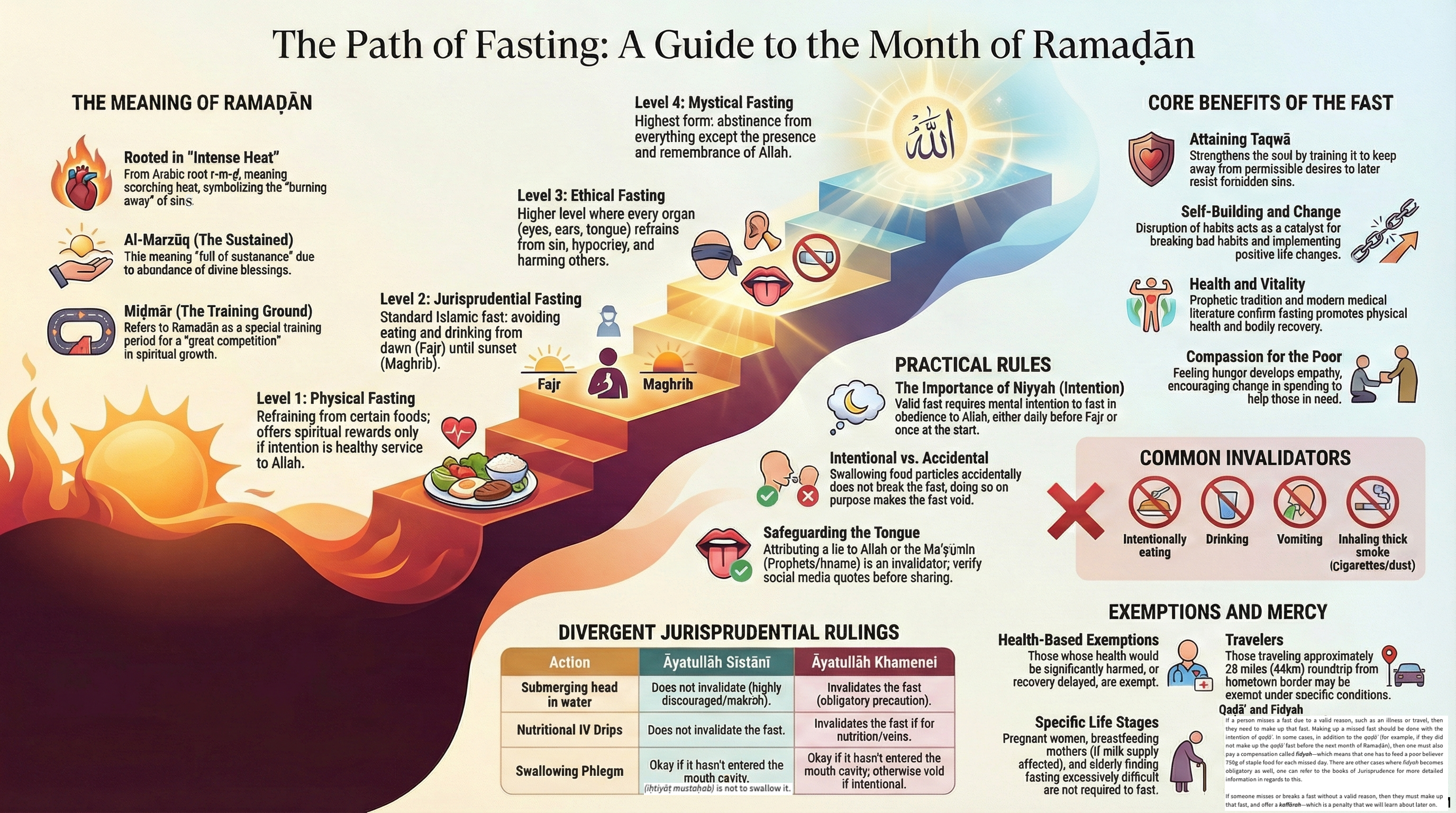
Term 1 - Week 3 · 21 Feb [2nd Ramadan 1447] · Ramadan: A Spiritual Training for the Soul + Discussion on Last week's related questions

Explore how Ramadan serves as a spiritual training for the soul, nurturing patience, reflection, and closeness to Allah. Homework: Do not forget to complete pages 286 from Book 7.
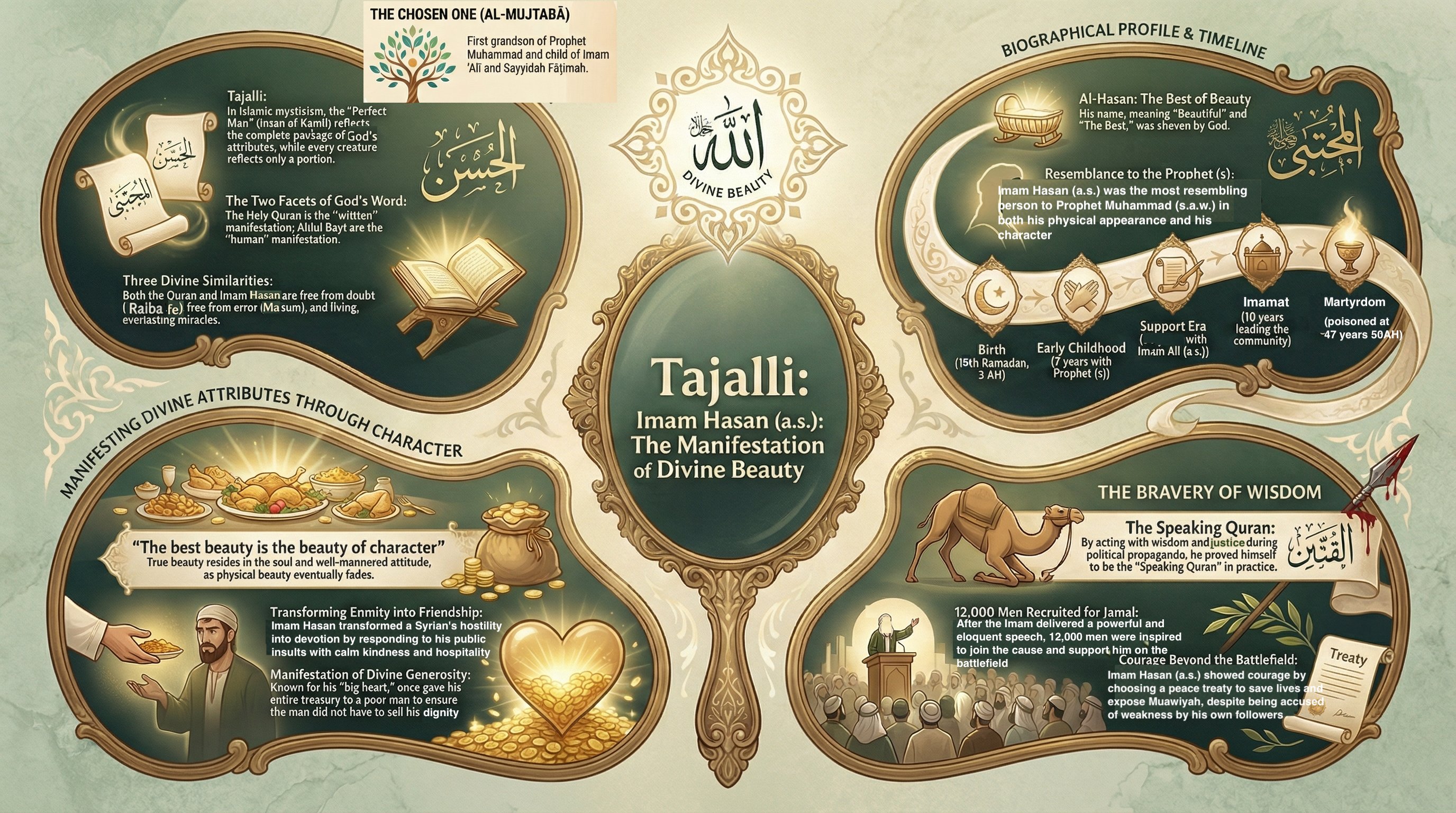
Term 1 - Week 4· 28 Feb [9th Ramadan 1447] · Imam Hasan Al-Mujtaba (AS): The Wisdom of Courage
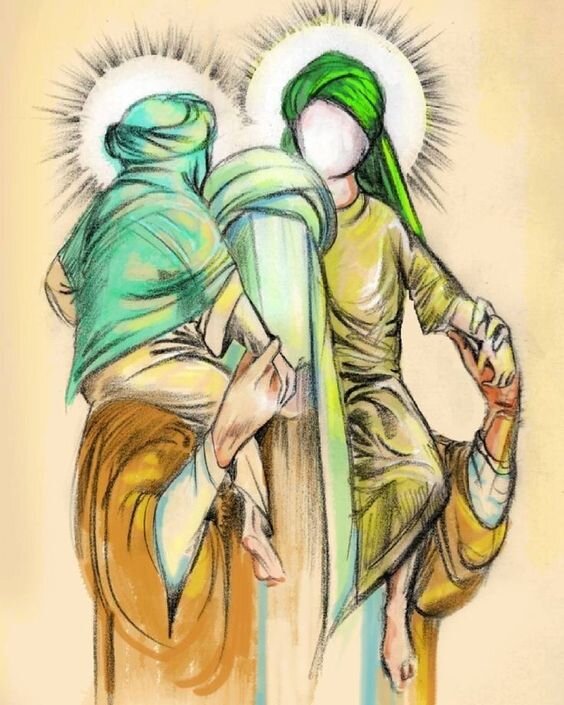
This lesson will discuss Imam Hasan (a.s.) as the "Manifestation of Divine Beauty" and the "speaking Quran". Beyond his physical resemblance to the Prophet (SAW), he manifested the "beauty of character" by repelling evil with good, transforming enemies into friends, and exercising the supreme courage of wisdom to sign a peace treaty that preserved the Muslim nation. Homework: Do not forget to complete pages 333, 334, 335 from Book 7.
Term 1 - Week 5 · 7th March [16th Ramadan 1447]· The Martyrdom of Imam Ali (AS)
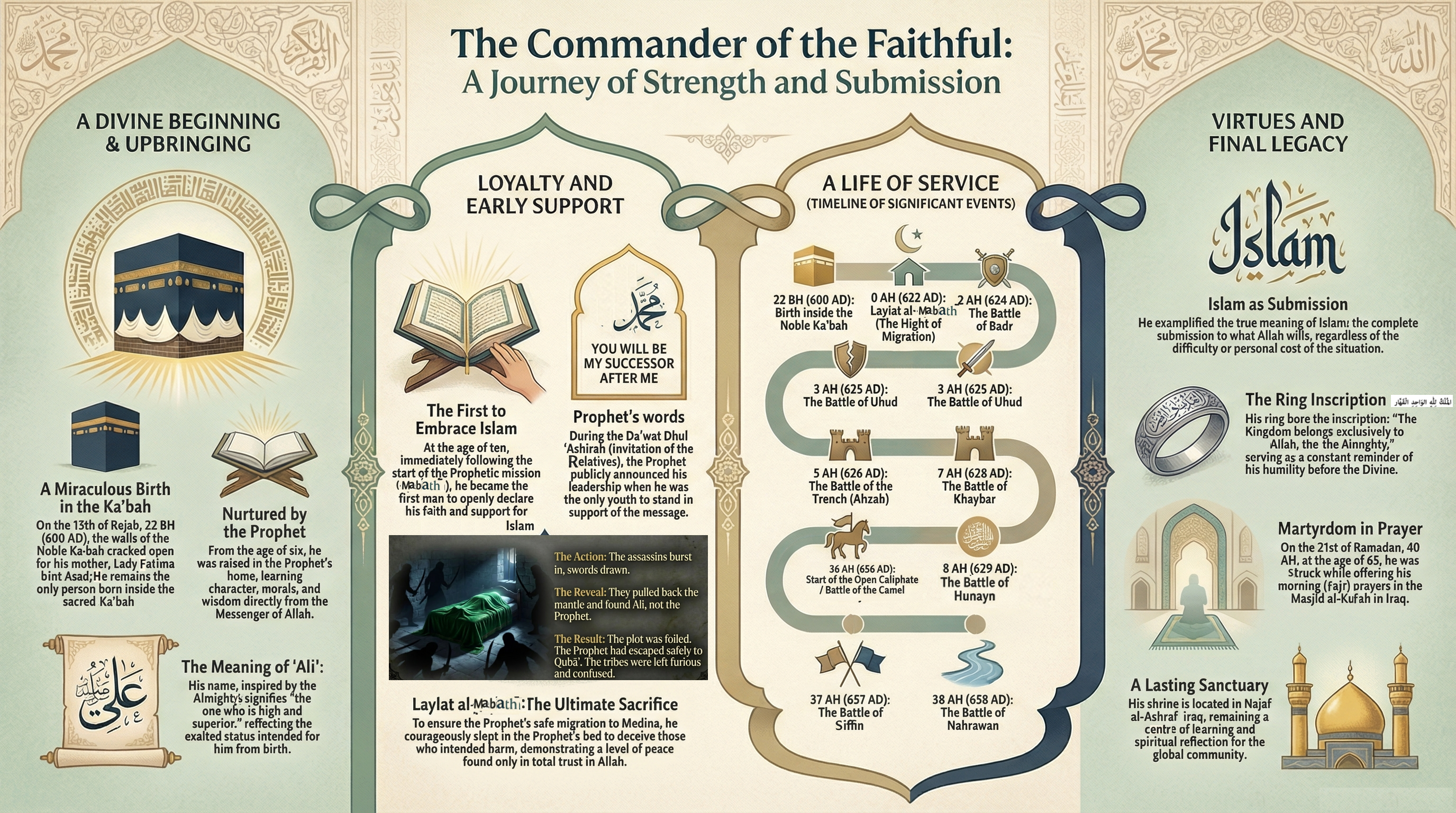
This lesson explores the life, spiritual importance, and ultimate sacrifice of Imām ʿAlī ibn Abī Ṭālib, emphasizing his distinctive role as the first Imām and the successor to Prophet Muḥammad.
Term 1 - Week 6 · 14th March [23rd Ramadan 1447] · No Class (Laylatul Qadr)
There will be no class this week in observance of Laylatul Qadr. May Allah accept your prayers and عبادات.
Term 1 - Week 7 · 21st March [1st Shawwal 1447] · No Class (Eid-ul-Fitr holiday)

There will be no class this week in observance of Eid-ul-Fitr. May Allah accept your prayers and عبادات.
Term 1 - Week 8 · 28th March [8th Shawwal 1447] · Understanding Taharah and Najasah (Part I)
In this lesson, we will explore the essential principles of ritual purity (ṭahārah) and ritual impurity (najāsah) in Islam.